
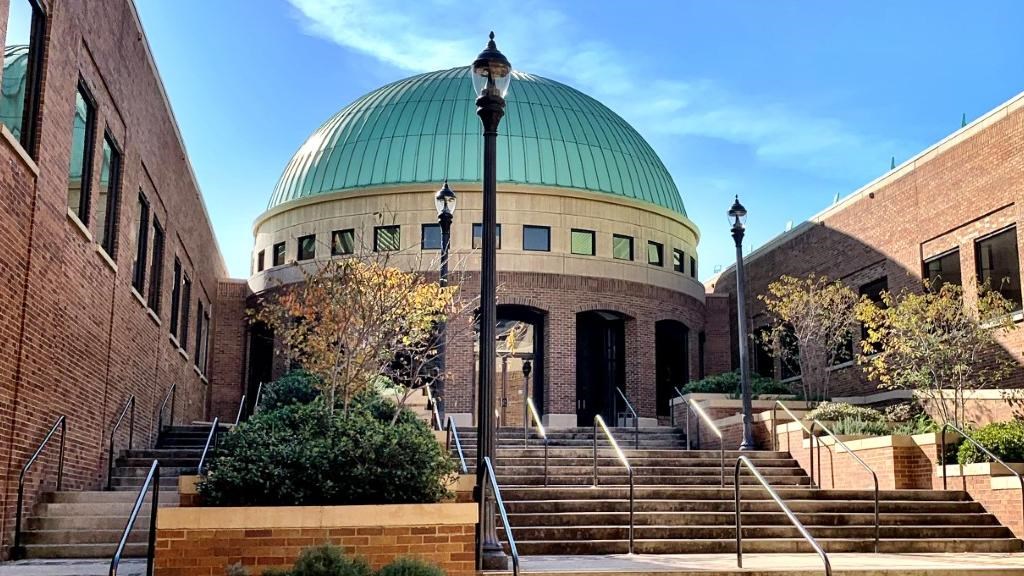
Birmingham, AL — The Birmingham Civil Rights Institute (BCRI) today announces the opening of a newly designed sensory room, expanding its commitment to accessibility and inclusion for all visitors. The space will be formally dedicated and open to the public on Tuesday, April 7, 2026.
Located at the conclusion of BCRI’s permanent interpretive galleries detailing the American Civil Rights Movement (1955–1963) and beyond, the sensory room provides a calming, supportive environment for individuals with sensory sensitivities, including those with autism and other neurodivergent conditions.
The sensory room was designed and installed by KultureCity, a nationally recognized nonprofit advancing accessibility and inclusion for individuals with sensory needs. With this installation, BCRI becomes the site of KultureCity’s 1,000th sensory room, marking a significant national milestone in expanding inclusive spaces across the country. The project was made possible through the generous support of Andrew Wyatt and family.
BCRI will also begin the process of becoming a KultureCity Sensory Inclusive™ certified location, reflecting a broader institutional commitment to accessibility. As part of this effort, at least 50 percent of BCRI’s public-facing staff will complete specialized training developed by medical professionals and neurodivergent individuals. This training is designed to equip staff to recognize and support guests with invisible disabilities, including autism, PTSD, dementia, and anxiety, ensuring a more inclusive and responsive visitor experience.
“BCRI is proud to join Birmingham-based KultureCity in building a more inclusive community and a more accessible nation,” said BCRI President and CEO Deborah Bowie. “We join other destinations across Birmingham, including the Birmingham Zoo, the CrossPlex, and Birmingham-Shuttlesworth International Airport, that have implemented KultureCity sensory spaces.”
“At BCRI, we are extending that commitment into a space grounded in civil rights. Individuals with invisible disabilities often face barriers that go unrecognized, particularly in communities of color where diagnosis and access to support can be limited. Creating inclusive spaces is one way we help close that gap and ensure every visitor can engage without being overwhelmed,” Bowie said.
The space features adjustable lighting, comfortable Yogibo bean bag seating, interactive tactile artwork, digital bubble walls, and other tools designed to reduce overstimulation and support a more comfortable visitor experience.
Coinciding with World Autism Day (April 2, 2026), the announcement aligns with a global call to recognize the dignity and rights of autistic individuals and expand inclusion across all sectors of society. According to the World Health Organization, approximately 1 in 127 people worldwide is diagnosed with autism, a lifelong neurodevelopmental condition affecting social interaction, communication, and behavior. Autism is also among the top ten brain health conditions contributing to global health loss.
“This sensory room reflects BCRI’s continued commitment to ensuring that every visitor, regardless of ability, can engage fully with this history,” said BCRI Board Chairman Ryan Faught. “We are grateful to Andrew Wyatt and family and to KultureCity for helping make this important addition possible.”
As an institution grounded in the legacy of the Civil Rights Movement, BCRI continues to evolve its visitor experience to reflect modern understandings of access, equity, and inclusion. The addition of the sensory room represents a meaningful step forward in ensuring that all individuals, regardless of visible or invisible disabilities, are welcomed and supported.
For more information about visiting the Birmingham Civil Rights Institute or to learn more about the sensory room, please contact marketing@bcri.org.
Media Contact: Kayla Gladney (kayla@dawngproductions).
www.bcri.org | @bhamcivilrights
About the Birmingham Civil Rights Institute
An affiliate of the Smithsonian Institution and part of the Birmingham Civil Rights National Monument, the BCRI is a cultural and educational research center that promotes a comprehensive understanding for the significance of civil rights developments in Birmingham that changed our world. BCRI reaches more than 150,000 individuals each year through museum visits, group tours, outreach (school and community), award-winning public programs, exhibitions, and extensive archival collections. For more information, visit www.bcri.org.