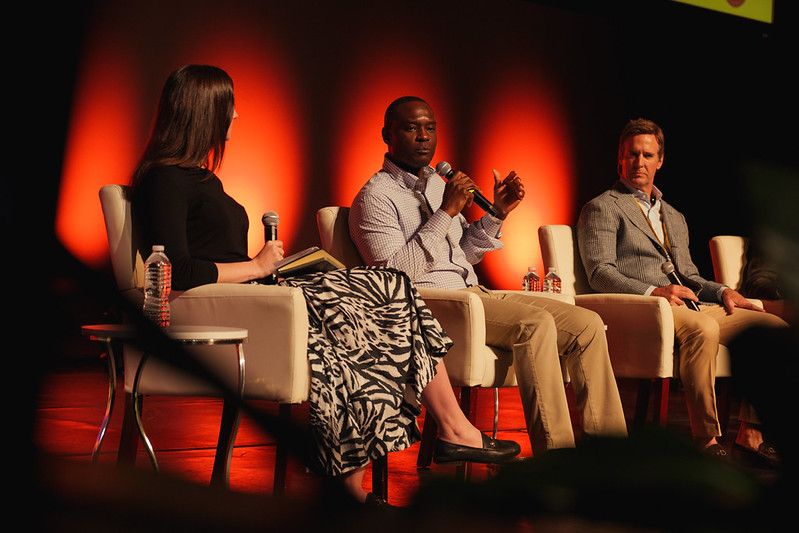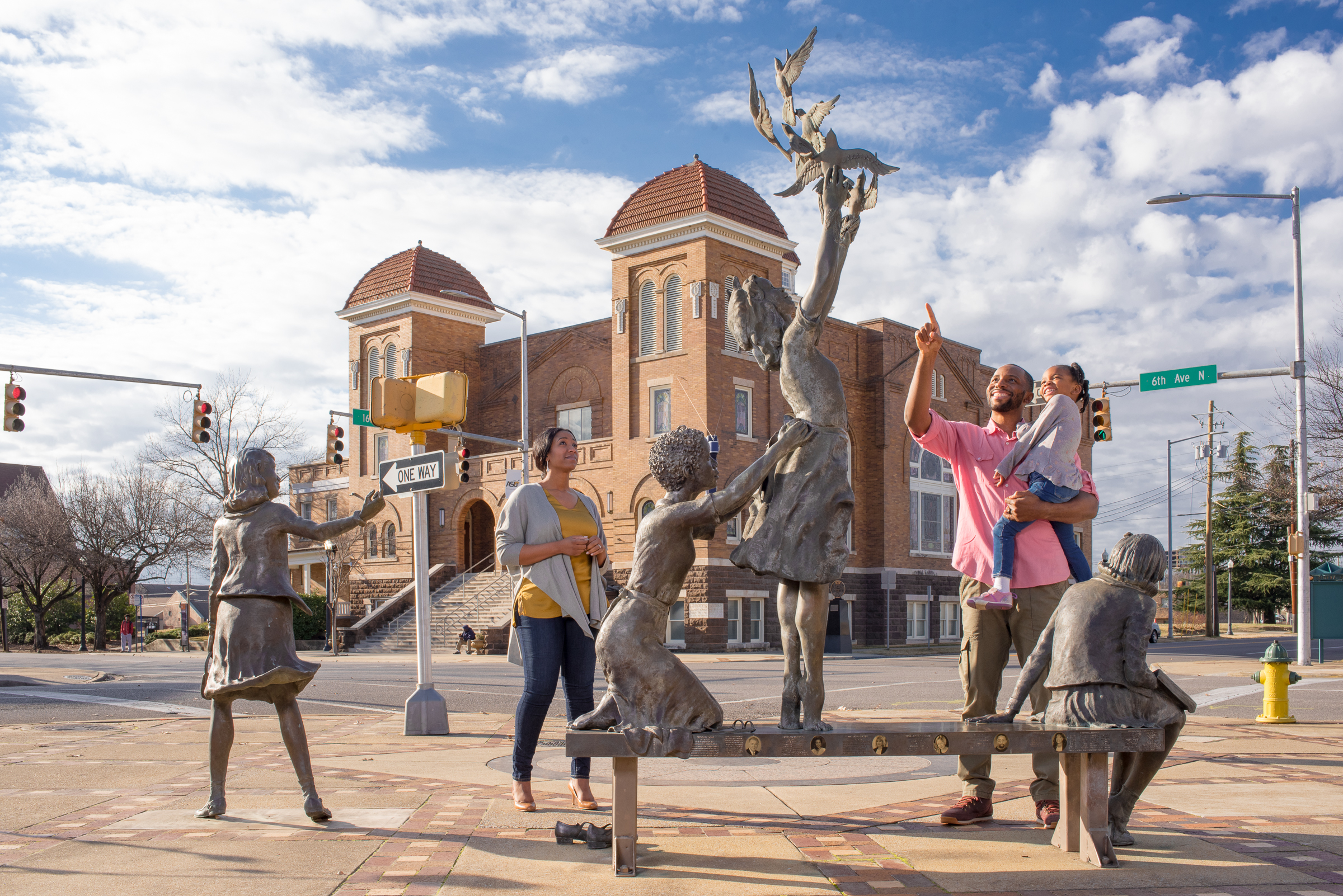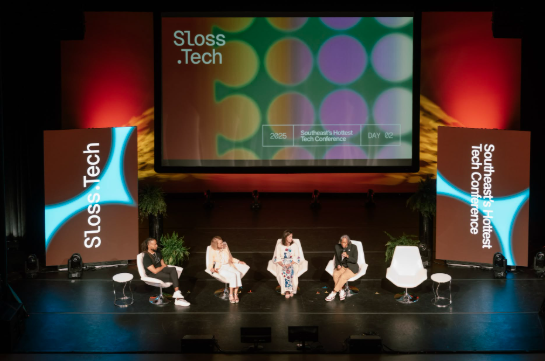
The story of Barbara Shores is, in many ways, the story of Birmingham. So, inviting the civil rights icon for a fireside chat proved a fitting introduction to the host city at the opening session of the 2026 African American Travel Conference (AATC).
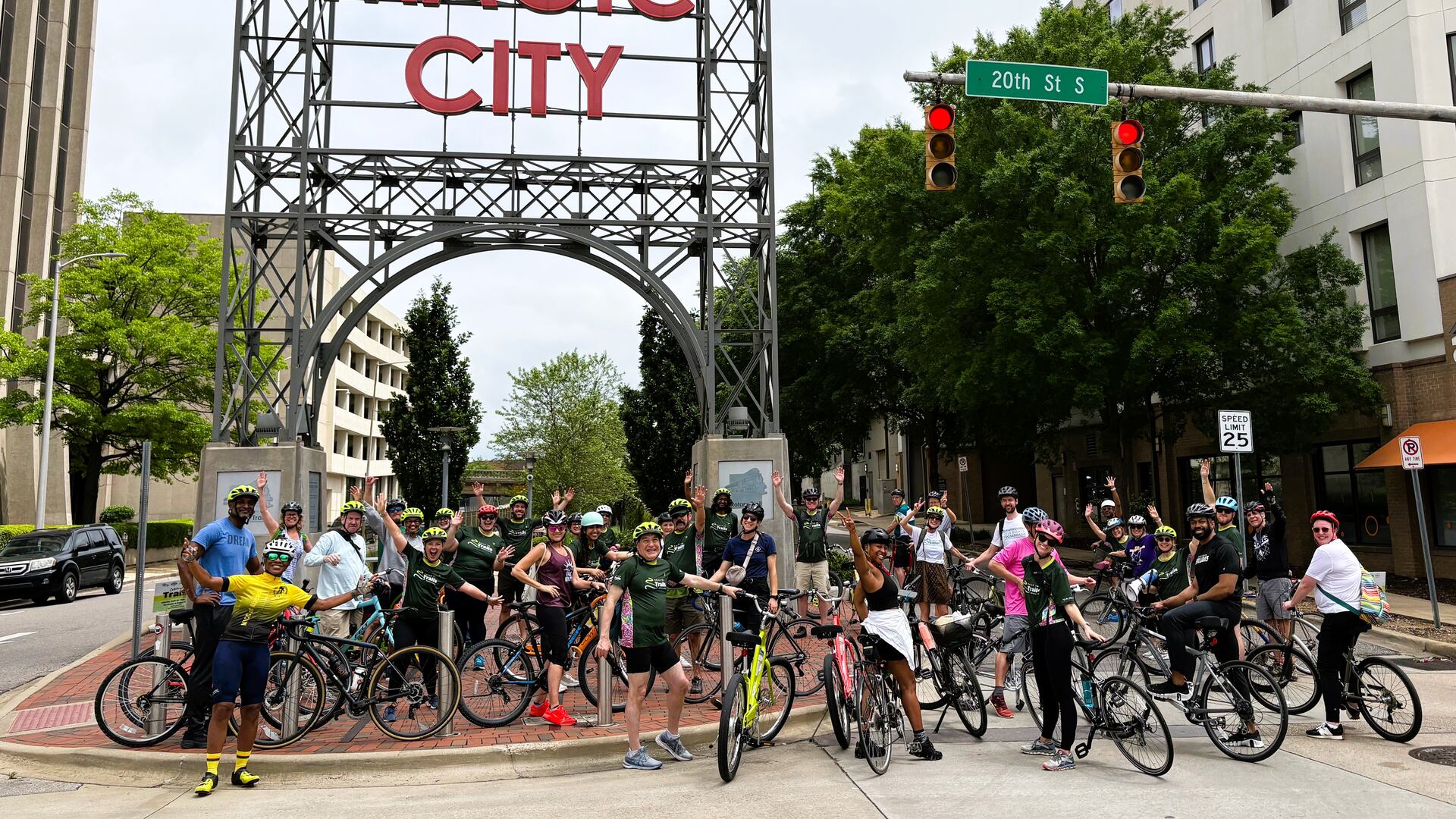
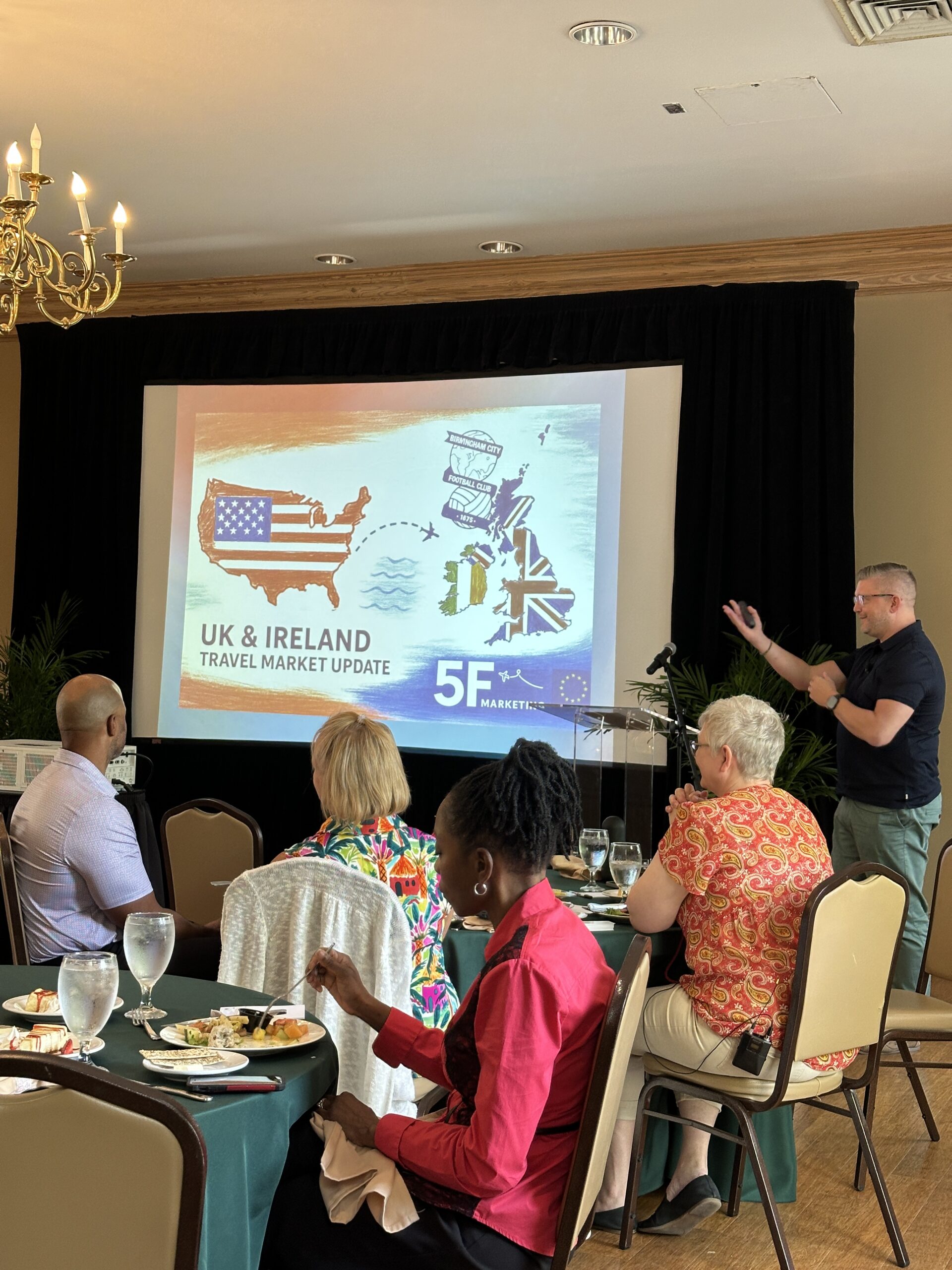
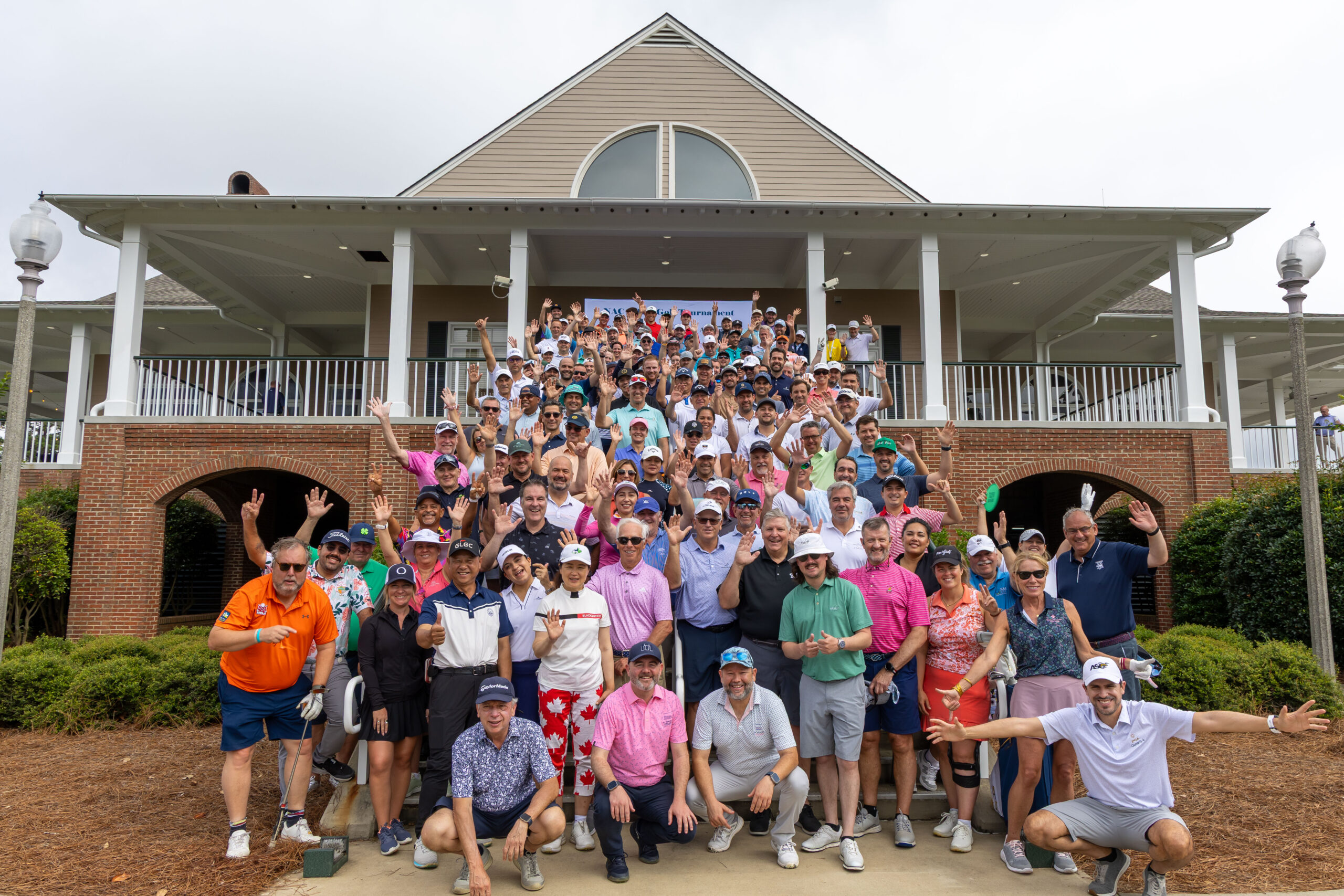
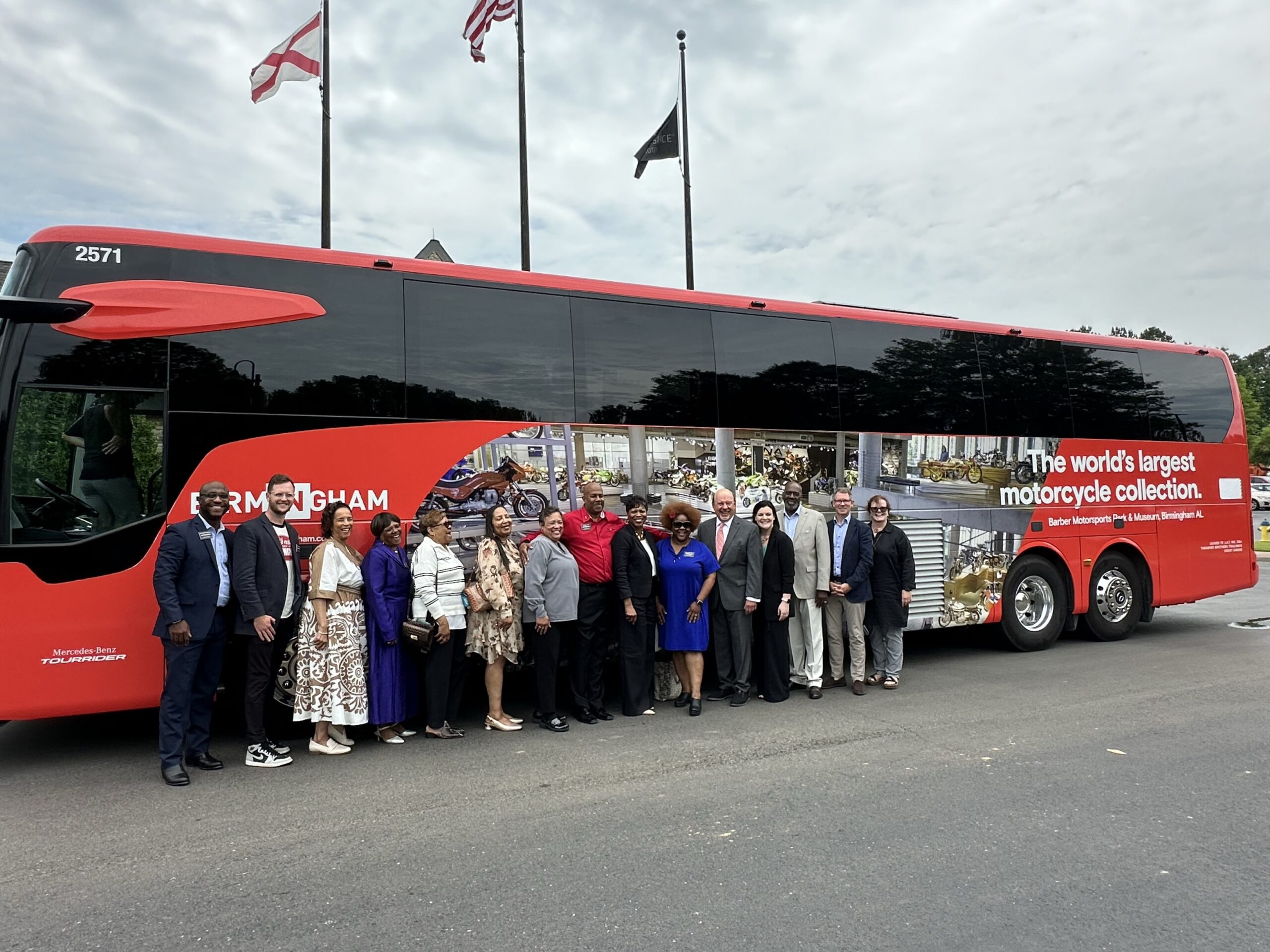
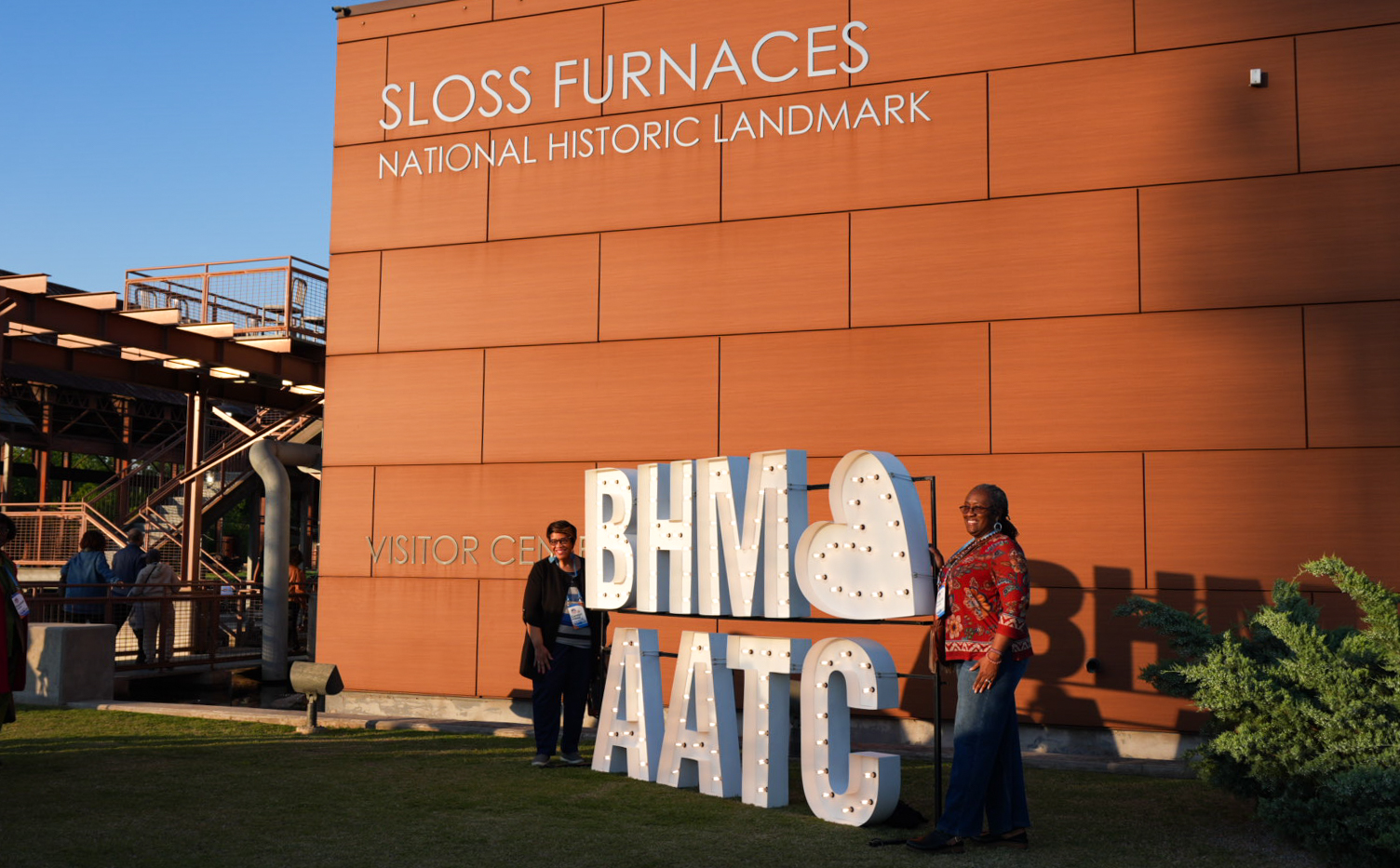
Held at the Hyatt Regency Birmingham, April 20-22, the annual two-day event brought hundreds of travel planners specializing in group tours for African Americans to the Magic City. They were joined by industry professionals in the areas of destinations, hotels, and tour operations.
Keynote speaker was Clarence E. Cox III, chairman of the African American Motorcoach Council of the American Bus Association. Also on the agenda were workshop presentations, a marketplace, networking opportunities, and an afternoon of sightseeing.
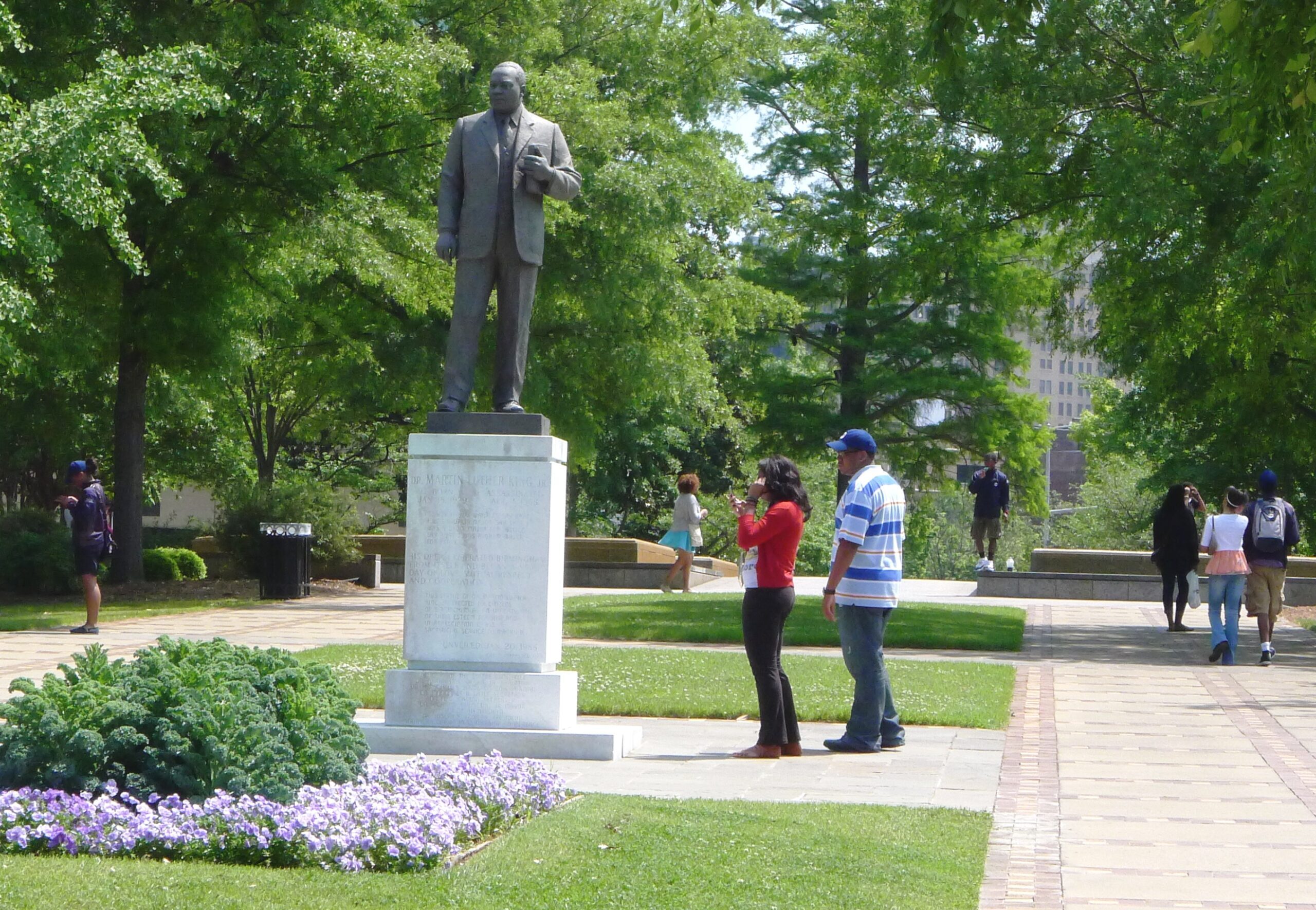
For Birmingham, hosting the AATC was an opportunity to highlight the city’s growing reputation as a destination, beginning with a historical perspective provided by one of the two daughters of legendary civil rights attorney Arthur Shores.
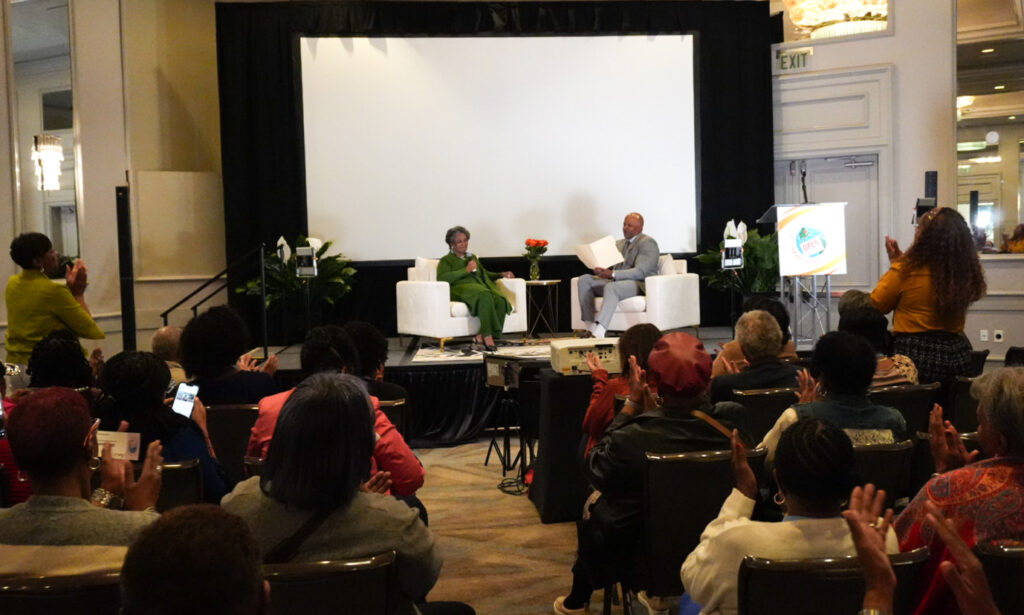
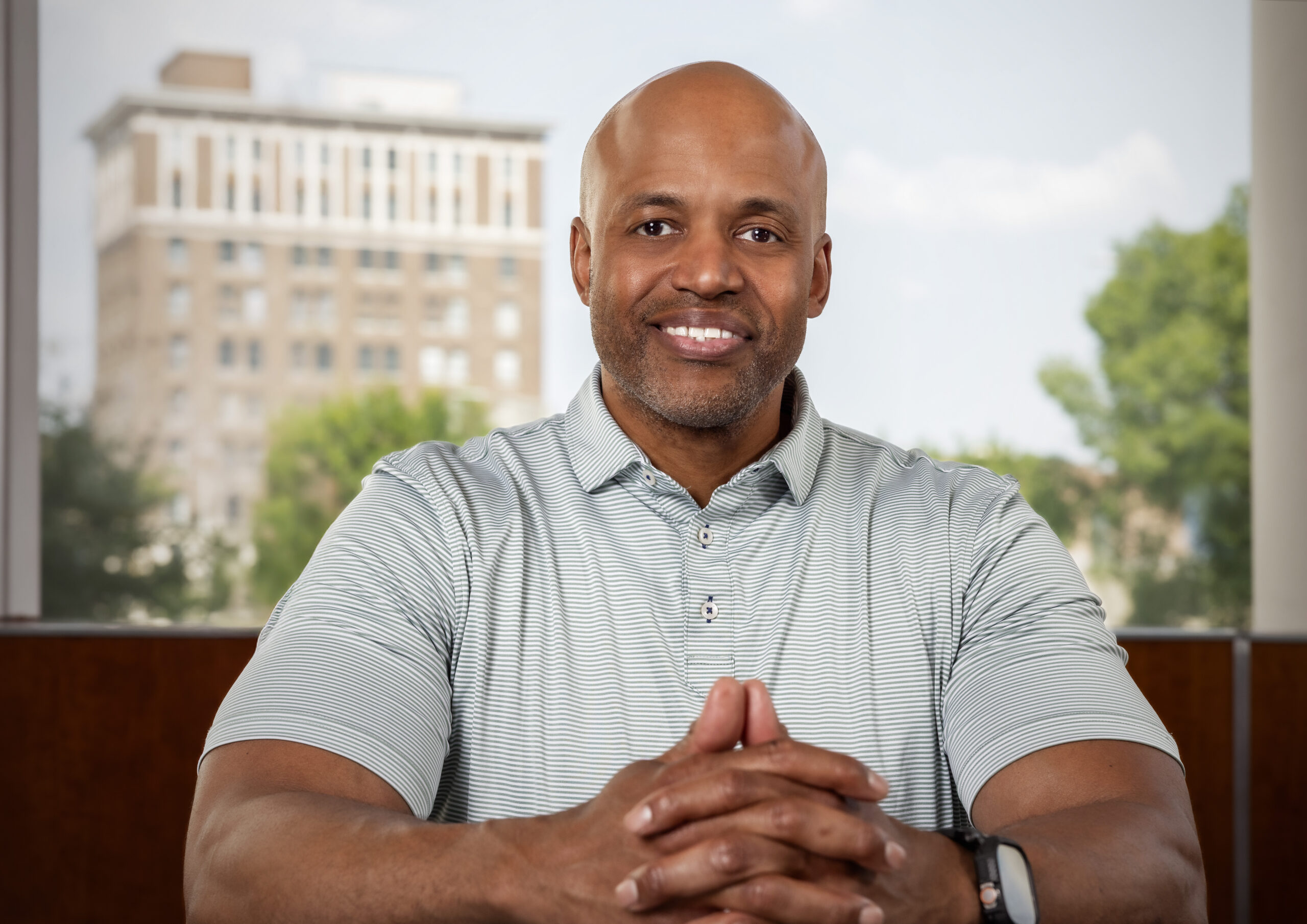
Moderated by Dan Williams, president and CEO of the Greater Birmingham Convention & Visitors Bureau, the discussion delved into Ms. Shores’s experiences during the city’s civil rights struggles.
She was 18 years old when two bombings, only two weeks apart, were detonated at the Shores’s home late in the summer of 1963. Over 60 years later, certain details remain etched in her mind.
After the first bombing, she and her mother came home from a movie to a windowless house with the garage door blown off. A kind neighbor had already covered the mangled remains of the family’s beloved dog in the backyard.
When the second explosion occurred, Ms. Shores was at home in the kitchen, making a ham sandwich. One moment, she was spreading mayonnaise; the next, she was diving for cover.
“If you can imagine a cloud in your house, the dynamite was like a thick cloud,” she said. “It was so strong that when it went up my nose, it went straight to my eyes, and tears just poured down. I got to my father and found out he was all right. Then I went to my mother and found out that she had been knocked unconscious.”
The bombings came as a court-approved plan for desegregating Birmingham’s schools was about to go into effect. Attorney Shores had played a pivotal role in bringing it about, and the Ku Klux Klan retaliated with deadly force. When no one was harmed in the first bombing, they tried again.
The Shores family additionally endured harassing phone calls, hate mail, and random gunshots outside their home. As a young child, Ms. Shores was targeted for kidnapping.
“My father always had security taking [my sister Helen and me] to school and had someone that we knew pick us up,” she said. “But on this one occasion, a white man came in a truck to ‘pick up Barbera Shores.’ The teacher knew something was wrong, and she called my father.”
Evidently sensing trouble, the would-be kidnapper left the school.
Despite the fears and unrest of those days, Ms. Shores also retains good memories, one being a childhood story involving her father’s friend and fellow civil rights lawyer, Thurgood Marshall. A frequent guest in the Shores home, Marshall was often prevailed upon by Helen, a devoted fan of cowboy movies, to serve as her horse.
“He would get down on all fours, and she would jump on his back and hit him on the butt, saying, ‘Giddy up horsey!’” said Ms. Shores. “Little did we know that years later, he would become a U.S. Supreme Court justice!”
Changes for the Better
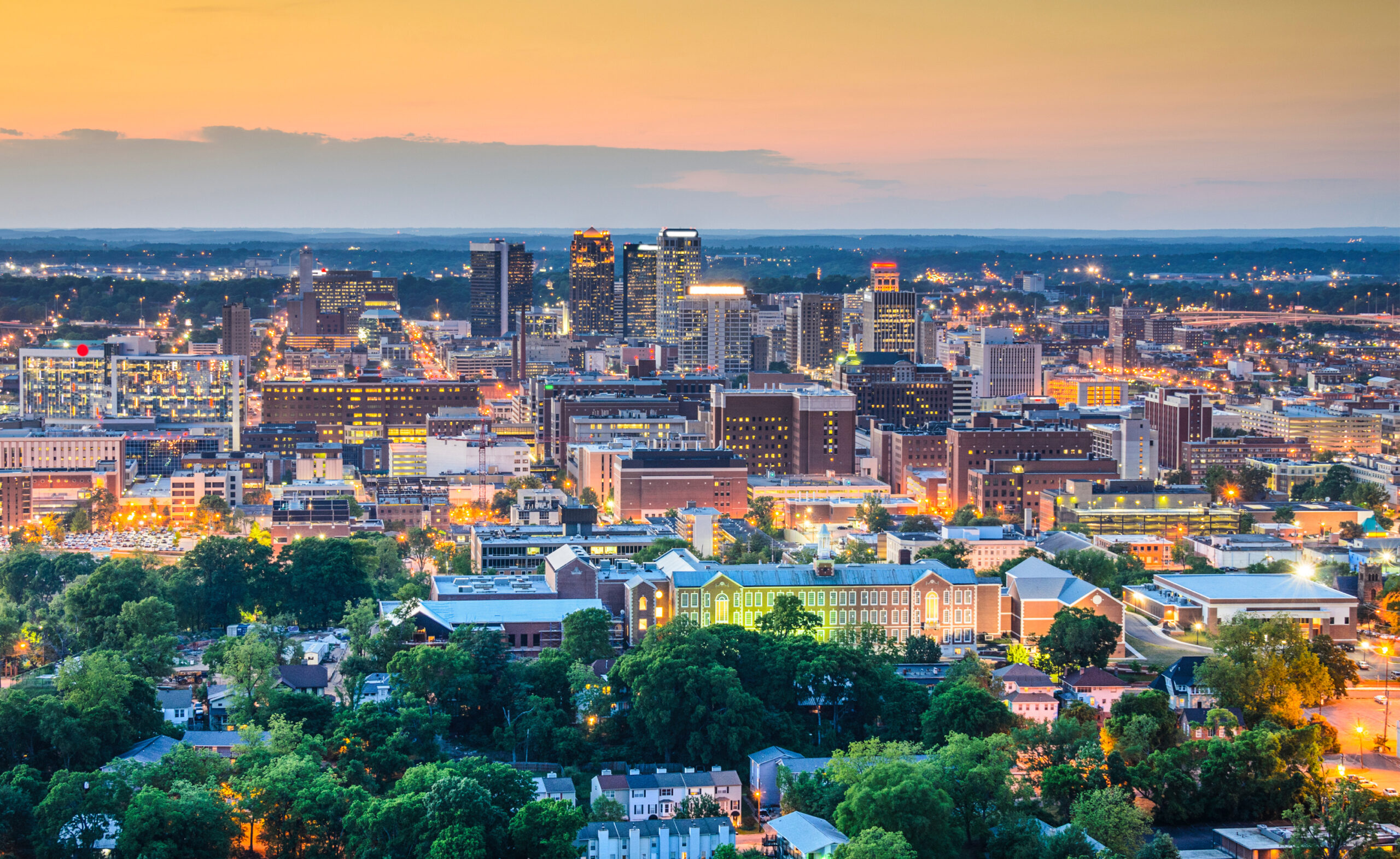
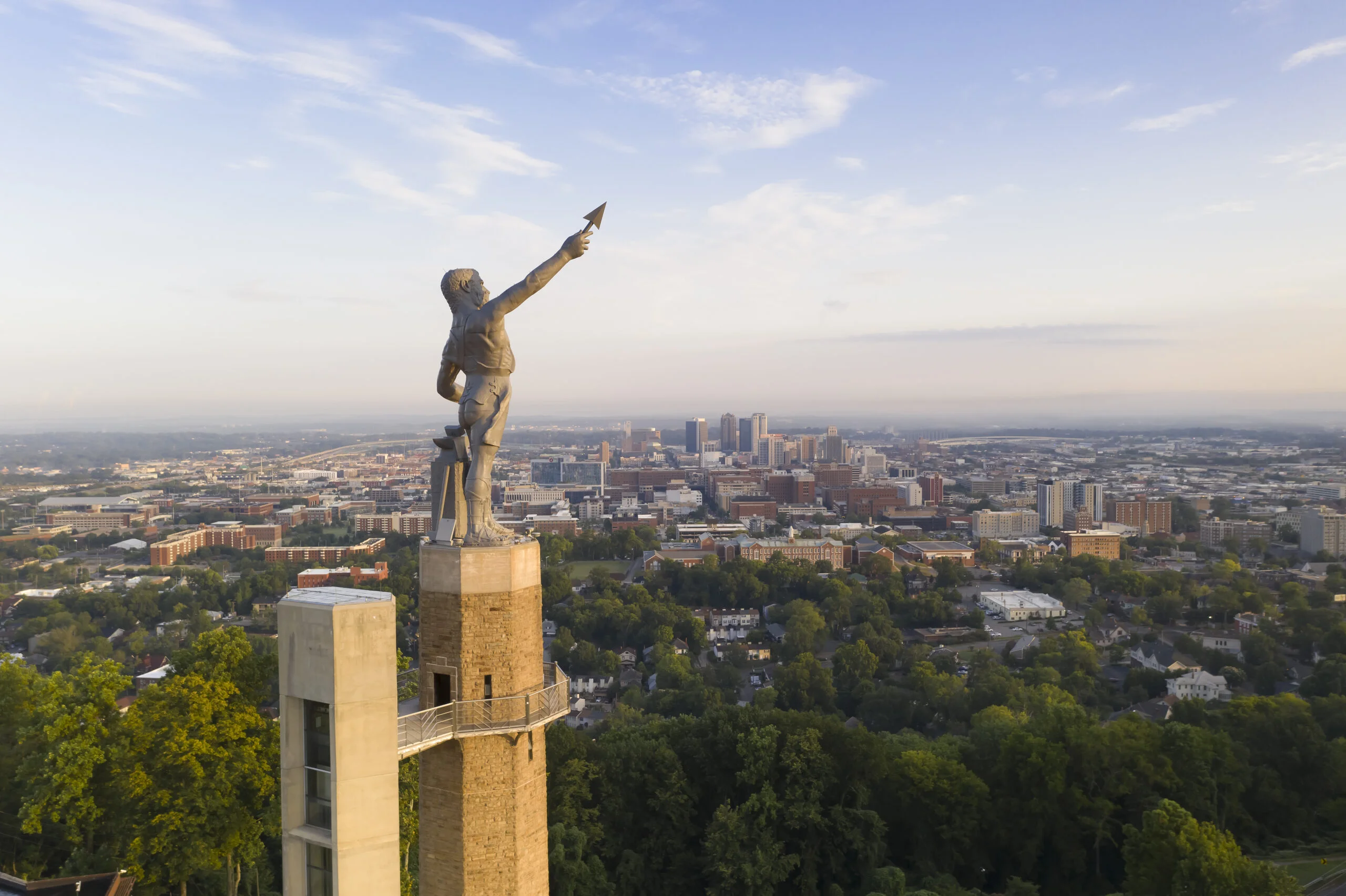
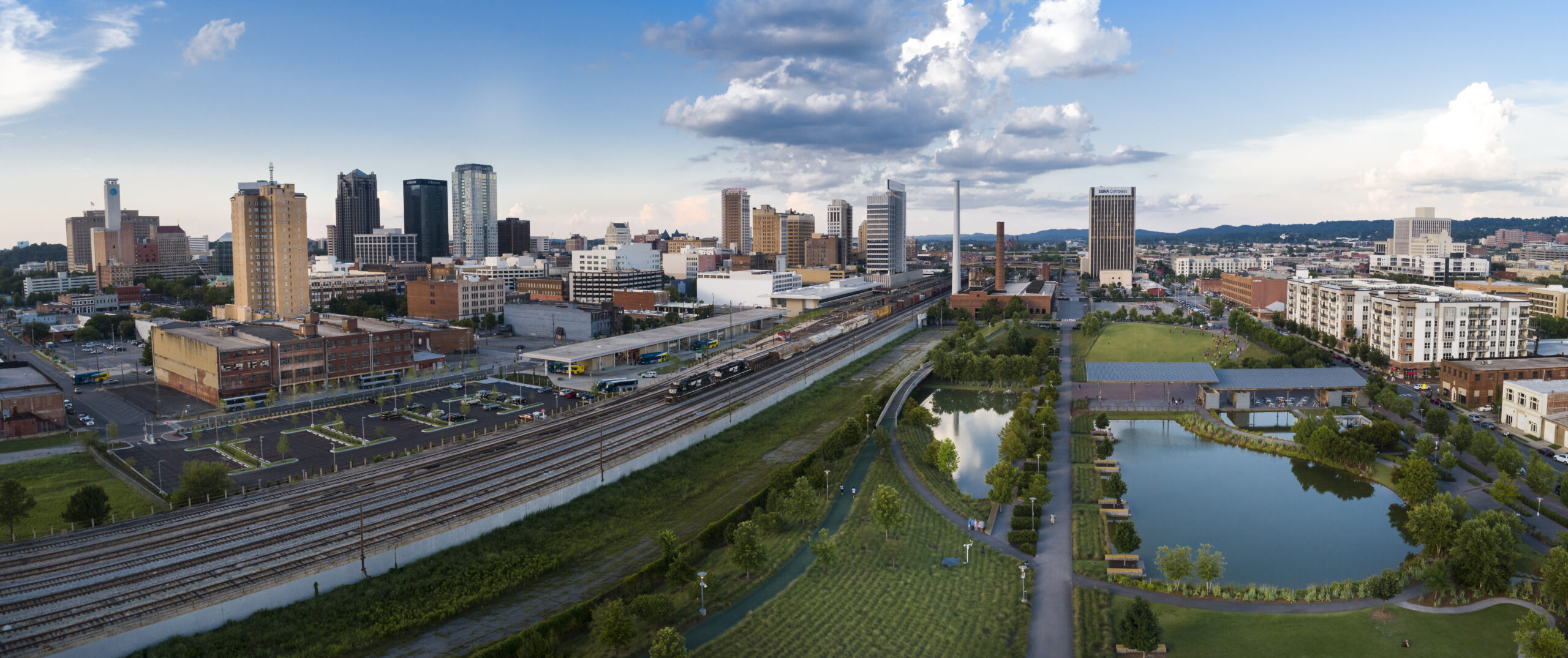
Over the years, Ms. Shores has watched the city rise from the ashes of the civil rights struggle to become the vibrant city it is today.
“Birmingham has made a lot of changes, that I’m really proud of,” she said. “When I went to school, I went to an all-black school. When my kids were coming up, they went to an integrated school. We had our first black mayor. My father was the first black man on the city council. Our city council, that used to be predominantly white, is now predominantly black. Things have really changed a lot.”
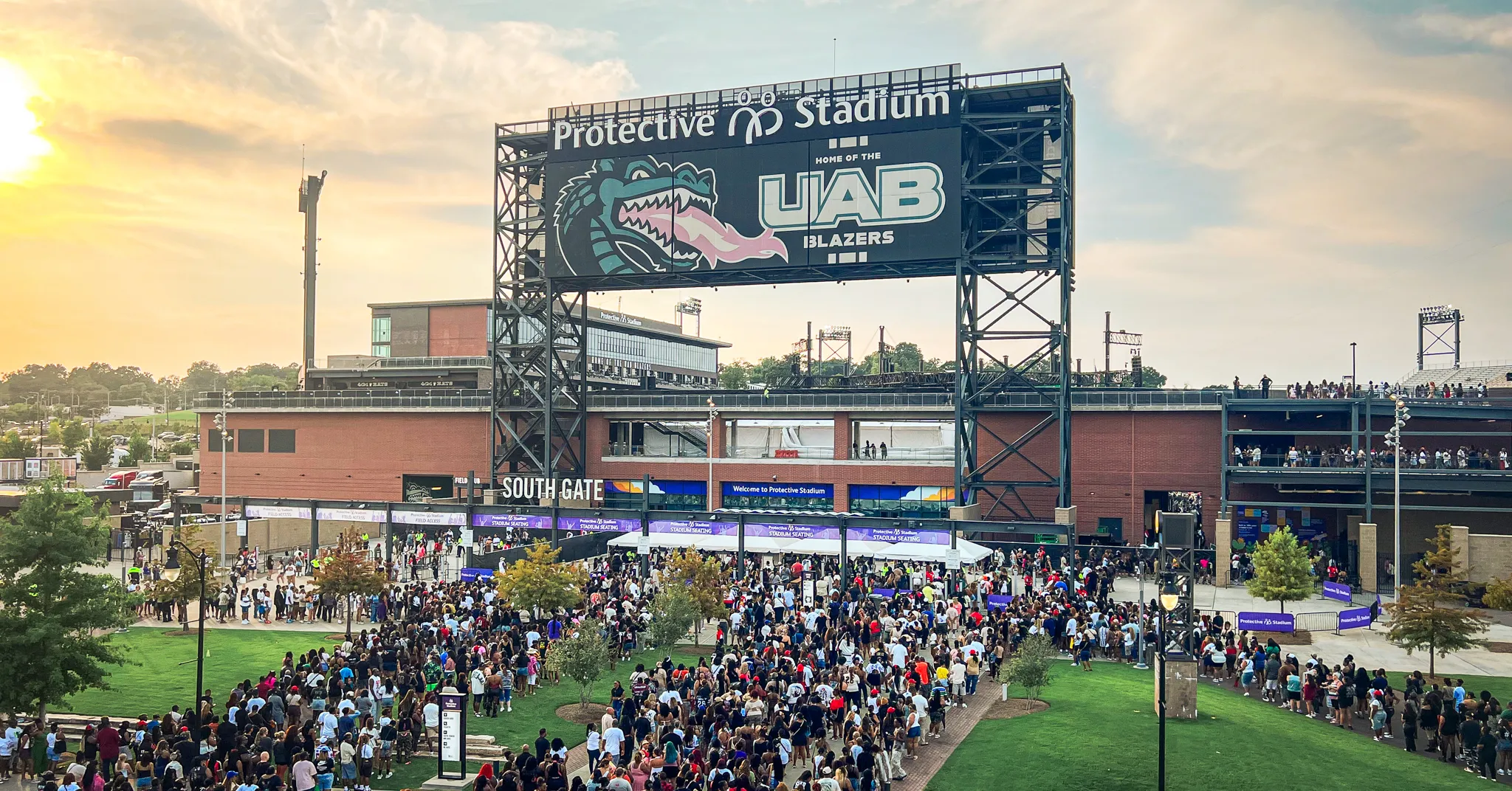
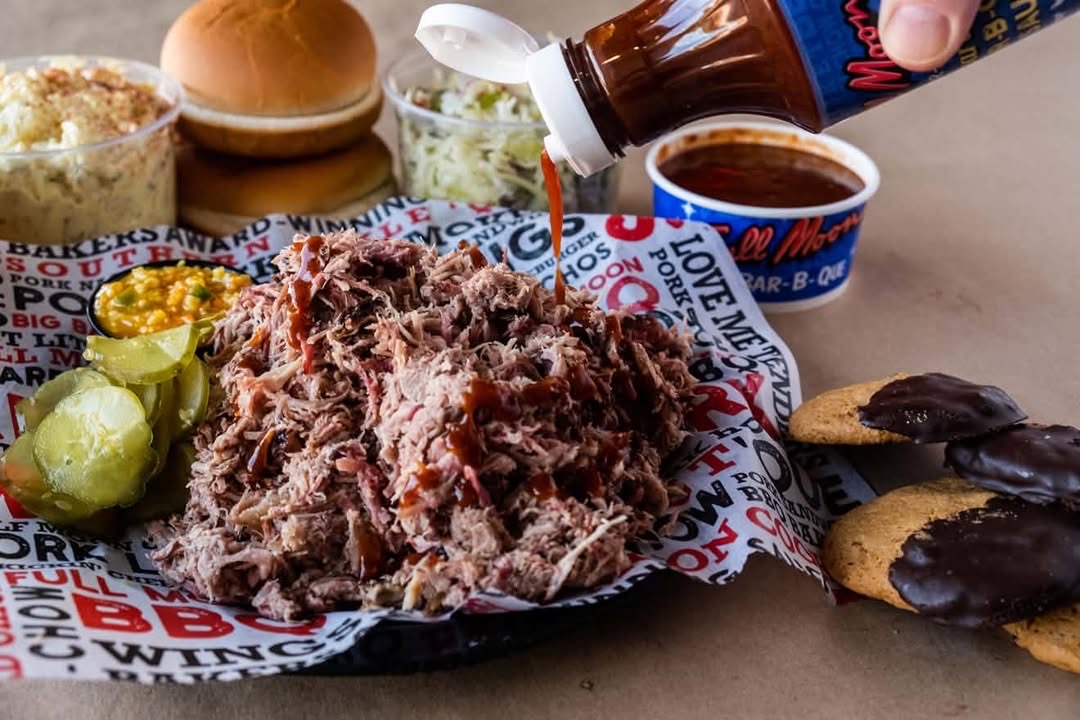
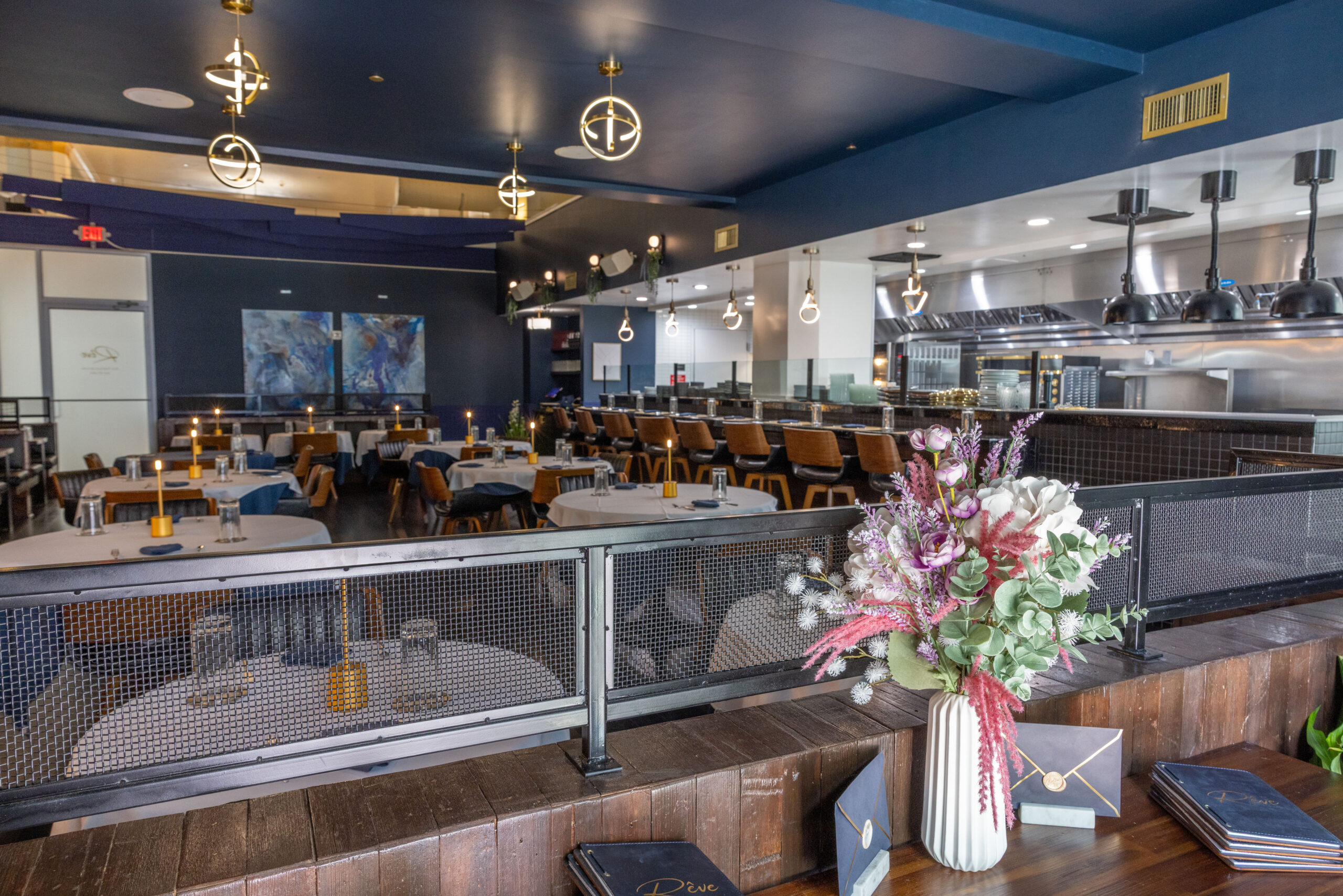
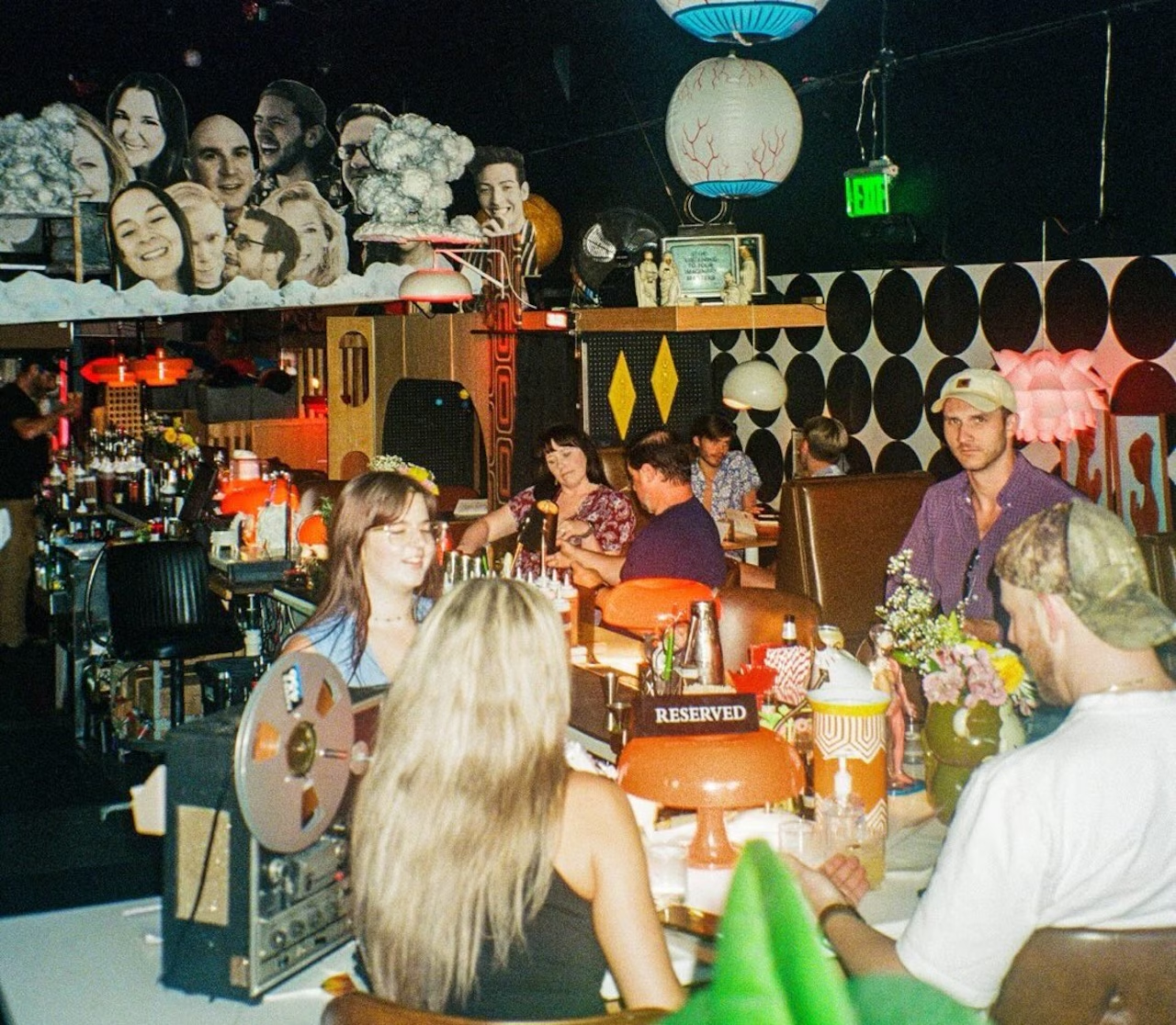
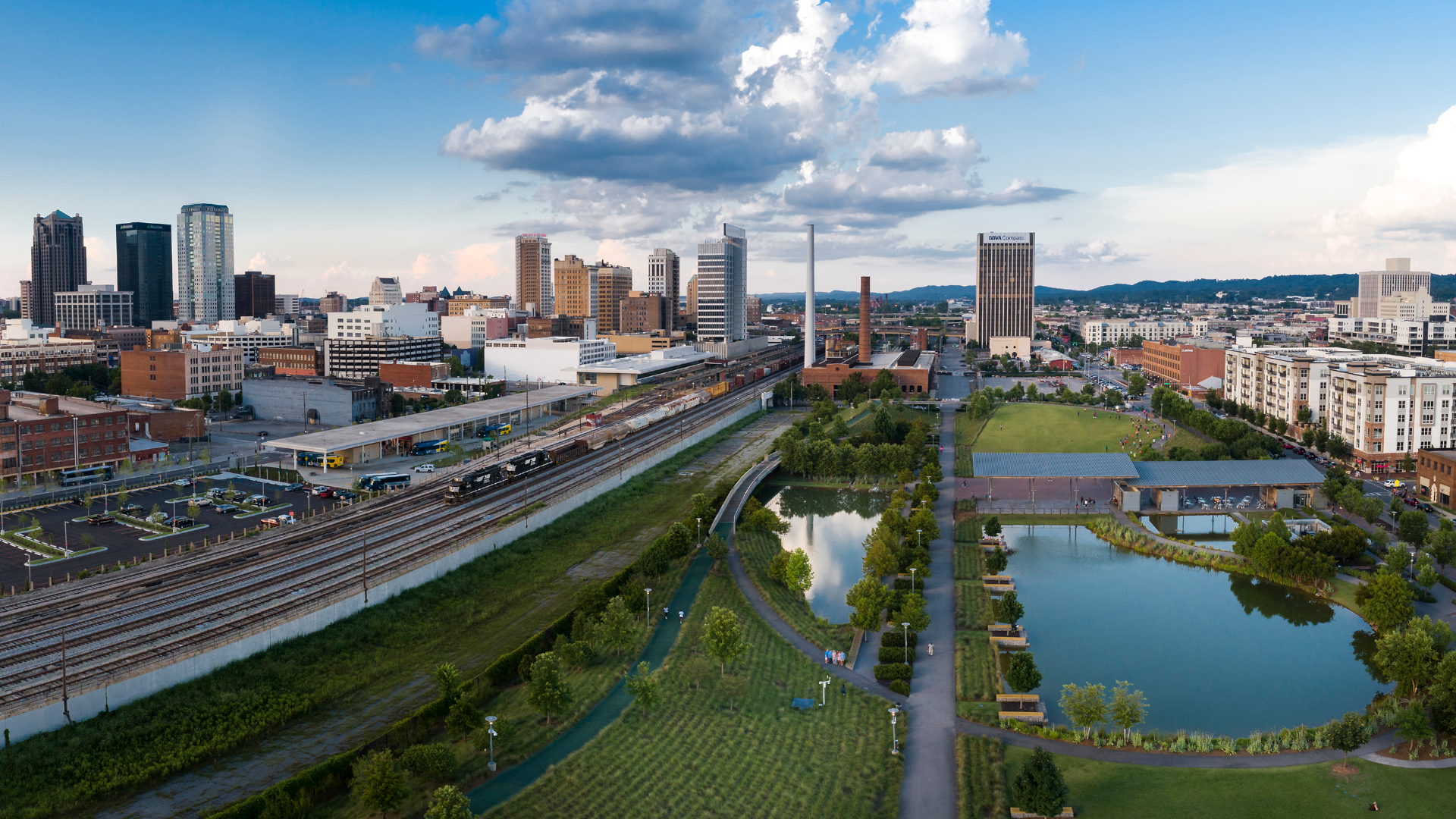
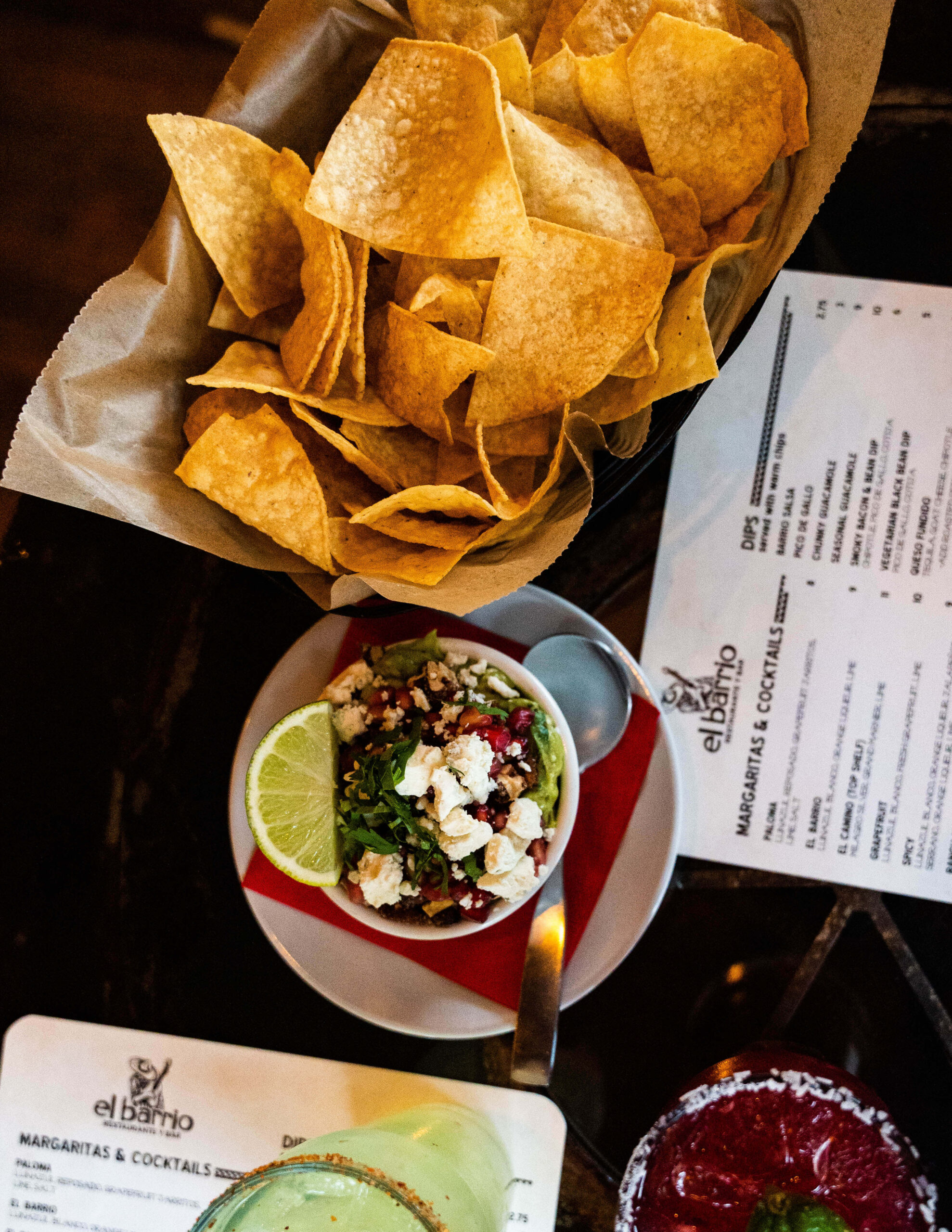
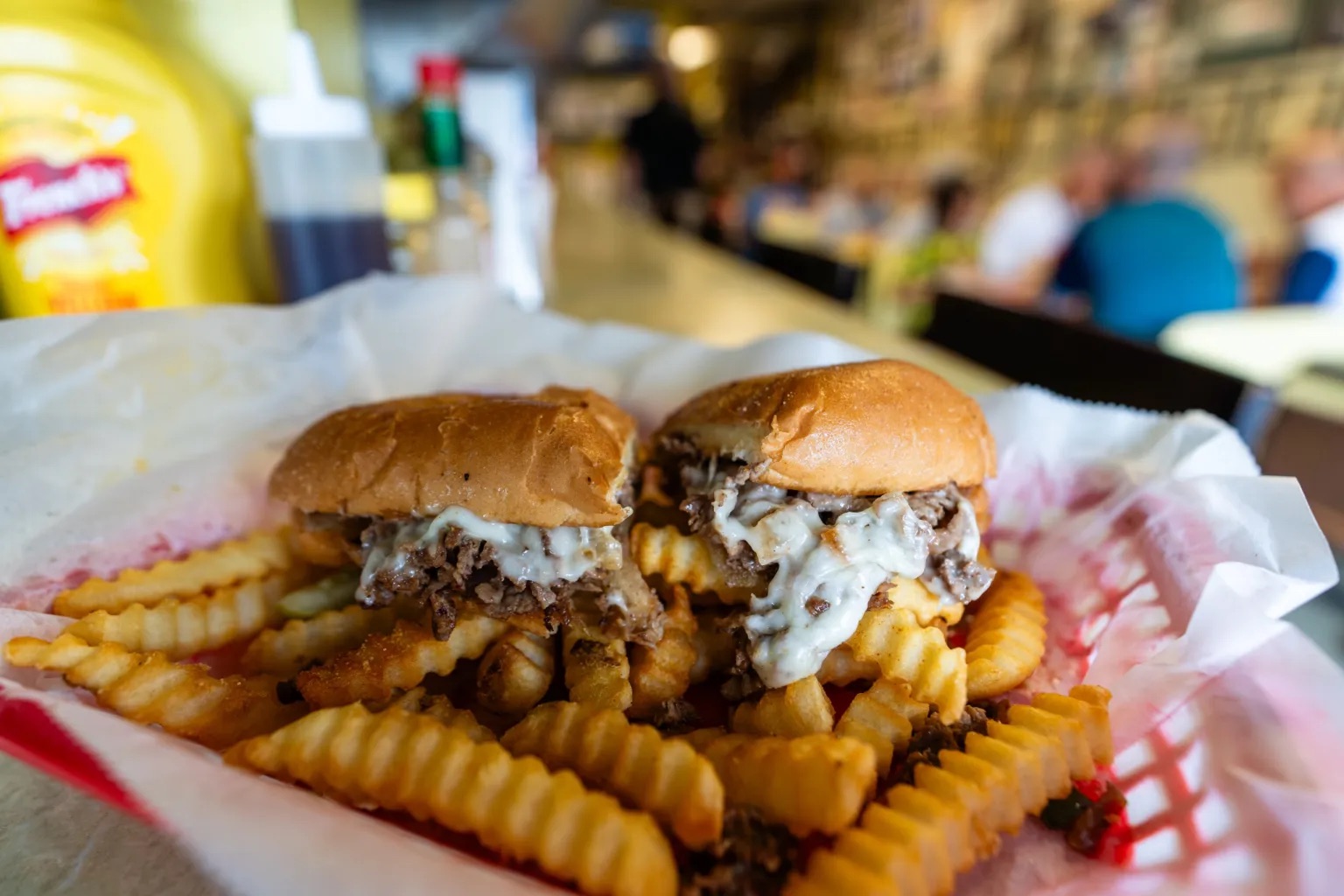
Ms. Shores saw Birmingham evolve from an industrial economy to one that largely revolves around UAB, a university highly regarded worldwide for medical education, research, and care. She also watched as the city became “a mecca for the different restaurants,” home to a variety of festivals celebrating different cultures, and an increasing presence in the world of international sports.
But for all the brightness of Birmingham’s present and future, Ms. Shores also sees the importance of preserving the past for future generations and making sure they understand the value of lessons already learned.
“We need to tell them our history,” she said. “Kids don’t know the history. They don’t know the sacrifices that many people made. They need to know so that we will not go backwards and will continue going forward.”